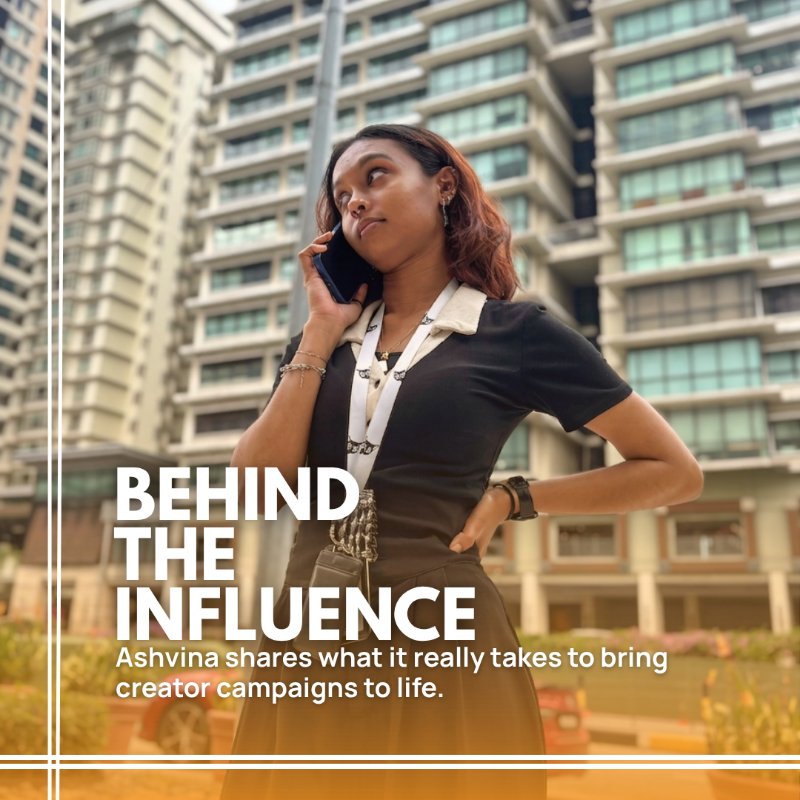
Behind the Scenes of Influencer Marketing: A Q&A with Ashvina
In the fast-paced world of digital campaigns, influencer marketing is often viewed through a lens of flashy posts and high follower counts. But what does it actually take to build a successful campaign from scratch? We sat down with Ashvina from our Influencer Marketing team to get an inside look at how creator selection works, how to navigate high-pressure moments, and the secret to building lasting relationships with creators.
Ashvina explains that many people outside the influencer marketing space assume creator selection is purely a numbers game based on follower count. In reality, she notes, it involves a rigorous vetting process that evaluates credibility, engagement, audience demographic, content style, and past work to ensure a true brand fit. Even after pinpointing the right match, she finds that negotiation requires a delicate balance between respecting the creator's value and aligning with the client’s budget and campaign objectives.
When high-stress scenarios strike such as a last-minute creator dropout or a post going rogue, Ashvina believes the key is prioritising problem-solving over panic or blame. She emphasises that in an industry where conditions shift rapidly, cross-team collaboration and swift communication are essential, whether that means sourcing a quick replacement, adjusting launch timelines, or mediating an issue directly to keep the campaign on track.
Regarding creator relationships, Ashvina shares that the secret to building lasting partnerships is viewing creators as human beings rather than transactional deliverables. She highlights that approaching interactions with respect, authenticity, and open ears makes a substantial difference, adding that even simple check-ins during an active campaign help establish rapport so future collaboration becomes significantly smoother and more natural.
When it comes to creative freedom, Ashvina believes balancing client needs with authenticity comes down to identifying non-negotiable brief requirements versus areas open to individual expression. While core brand messaging, mandatory inclusions, and overarching objectives must remain clear, she stresses that creators need room to communicate those points in their own voice, as audiences follow them for their unique personality rather than a rigid advertisement.
On handling delayed deliverables or off-brief content, Ashvina advocates for a balance of empathy and professional firmness. She approaches these situations by explaining missing elements clearly, establishing realistic revised timelines, and listening to any genuine hurdles the creator faced, which allows issues to be resolved constructively without making the creator feel attacked or damaging the long-term relationship.
Finally, Ashvina reveals that seeing a final post go live gives her the biggest sense of accomplishment. She reflects on how a single piece of content represents an extensive journey behind the scenes like sourcing, outreach, negotiation, briefing, follow-ups, revision cycles, and scheduling and notes how satisfying it feels to watch every moving part lock into place.


